The Cigar Box Secret
By Richard “Clem” Clement, TCA #64-987 Winter 2026 e*Train
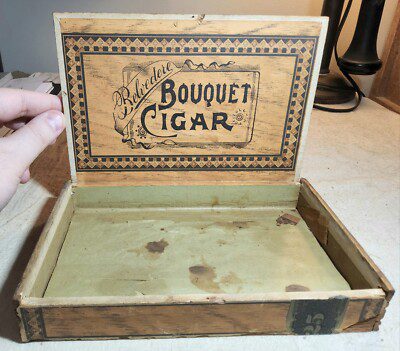
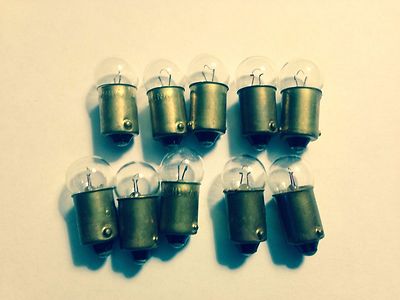
When we had trains as kids, we usually had parts that fell off. Those parts needed a special place to wait for “Uncle Raeman” to come by and put them back on. We also kept notes, our special people, track pins and clips, and jewel lamps in that special place. Sometimes, we kept secrets there, too.
Growing up, my Daddy had a best friend named Ned Carpenter. We would visit him and his sister from time to time. I was scared of the man and hated the smell of their house—Ned was a heavy cigar smoker. But over we went, many an evening, anyway. He had one of those cigar stands where the ashtray was held up by a three-foot carved black bear. (I always wondered what happened to that bear.) Neither of the Carpenters was married, and I guess they enjoyed each other’s company. They had money, and they also kept cigar boxes for me.
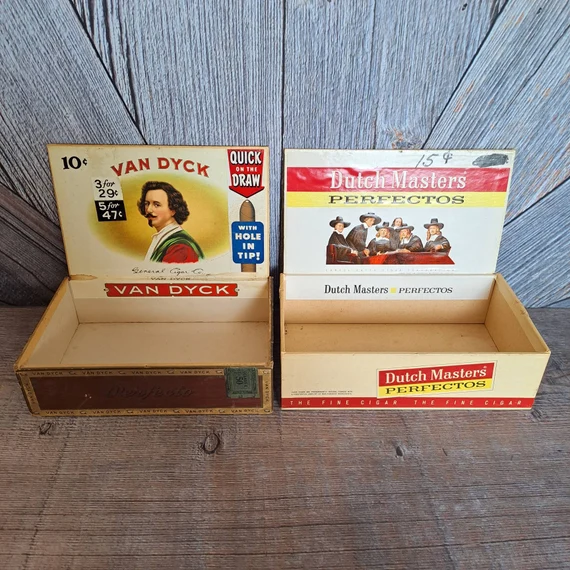
I learned to get past the smoke and smell so I could bring home a box or two after each visit. I even found the courage to ask for a certain kind of wooden box—the one with the little nail in it that held the lid shut. Before long, I had many boxes at home to hold my train parts, radio knobs, nails, and other treasures.
All this came back to me many years later when I bought a pile of trains. The trains themselves were gone, but I was able to get the debris—track, extra goodies, and a small cigar box. That box was the first thing I opened.
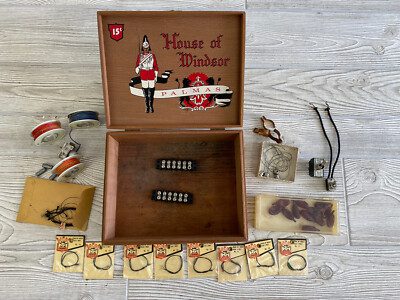
Inside were wonderful bits from a Standard Gauge set long gone. Track pins, burned-out bulbs, handrails, and all sorts of odds and ends. Under it all was the secret. Long ago, a boy had used the inside bottom of the box to draw his layout. You could see the wiggly pencil lines of a boy’s hand showing the loop and the switches he had put together.
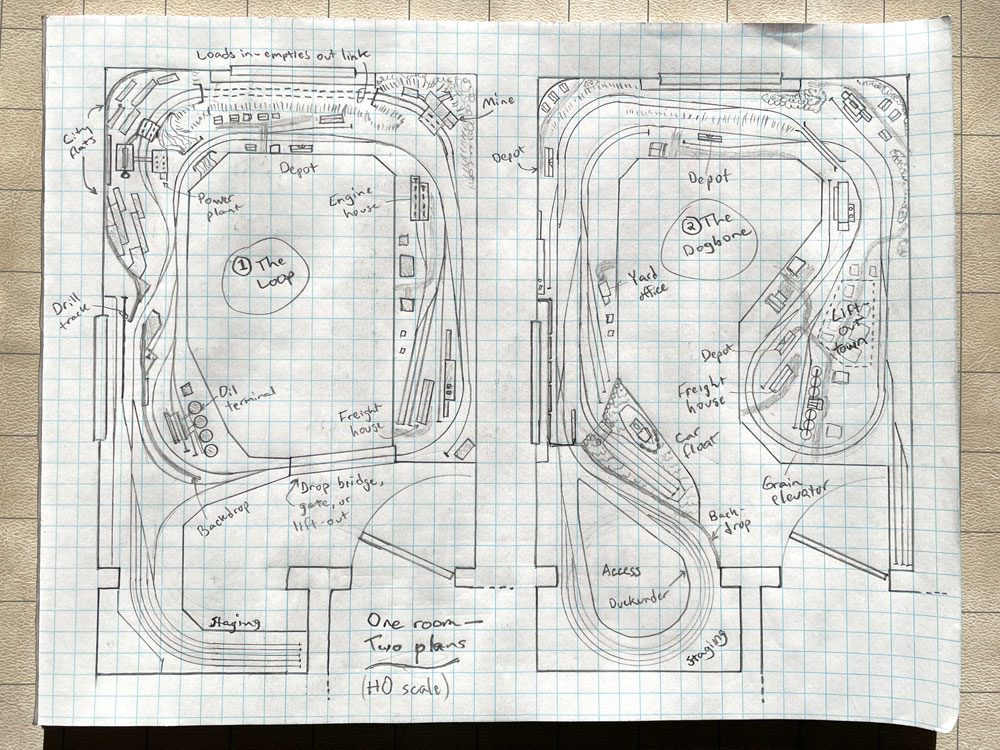
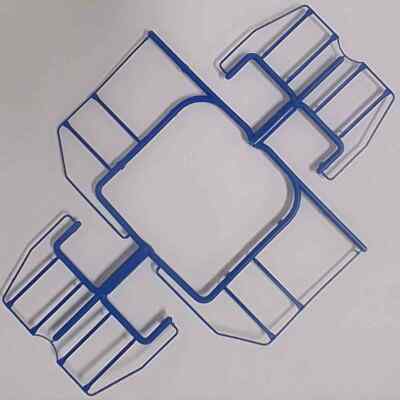
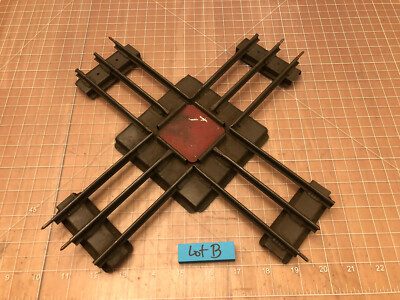
What struck me was the 90-degree crossings. They weren’t just drawn as a simple plus sign. Each one had a big square around it. That puzzled me for years—until I came across an American Flyer 90-degree crossing with a huge red square base. Then the secret was out. The track, at least, had to be American Flyer Standard Gauge. I don’t know of another square crossing like that. And he had four of them in his layout. It must have been something to see in action.
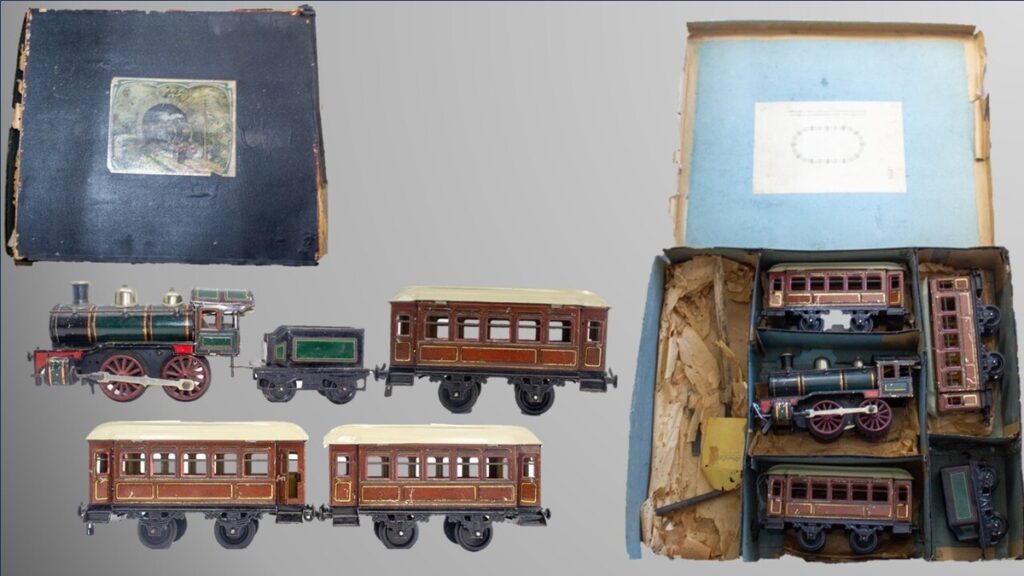
Several times in my collecting life, I’ve bought train sets right from the original owner’s home. I always ask about the secret box, and most of the time, it’s there. The pattern seems to be that after Christmas, Momma would pick up the trains, and all the little men and loose parts went into the secret box to sit until years later, sometimes until a collector came along. Those boxes tell stories.
I once bought an IVES Cardinal set at an auction, and the little box was full. Not just with parts for that set, but pieces from other trains long gone—side rods, trim, and other valuable bits that eventually found new homes on trains in my collection.
—A story by Clem Cement, circa 1990
Sadly, places like eBay don’t usually include the secret box with a train set anymore, and with it, a wonderful piece of the set’s history is lost.
Image credits: Images used for editorial illustration under fair use. All rights remain with their respective owners. Sources: eBay, Etsy, and Trains.com.