Carrying Forward: York, My Father, and the Future of the TCA
By Michael S. Oher, TCA # 18-73531 Summer 2025 e*Train
Every time I step into the halls at York, it brings me back to a simpler time. The smell of cardboard, the sound of carts rolling over concrete, the fluorescent lights flickering above table after table of trains—it’s all there, just like it was the first time. And even now, a full ten years later, I still feel like I’m trailing a few steps behind my dad.
I was sixteen when I came to York for the first time, in the spring of 2015. My father, Jay R. Oher, (TCA #96-42851), moved through the meet like he had been born into it. He didn’t explain what he was doing or where we were headed. He walked with quiet confidence, laser focus, and his Greenberg guide tucked under one arm. I tried to keep up. Looking back, I wasn’t just tagging along. I was being shown the way.
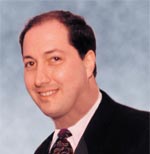
(TCA #96-42851)
Jay R. Oher was a CPA by trade—precise, reserved, and allergic to small talk. But at York, he came alive in his own, particular way. He didn’t collect to show off. He rarely told anyone what he owned. But he always knew what he was looking for, and he always seemed to carry what can only be described as an obscene amount of cash. He wasn’t flashy, but when the right piece was on the table, he didn’t hesitate. He’d calmly make the deal, hand over the bills, and move on before you had time to ask him what he found.
His world revolved around high-end Gilbert American Flyer. His territory was the Red, Blue, and Silver Halls. He bought from the legends who shaped the York Meets of years gone by—names like Gary Clark, Mike Rosenberg, Frankie Merson, Marty Cohen, John Heck, and many others. Some of those legends of York and of the TCA are no longer with us, but their legacy still echoes through the halls of York and the hobby overall.
My father didn’t go for quantity—he went for quality, and he went with purpose. And while he was never one to hold court, dealers knew him. And they respected him.
He also had a sense of humor that could best be described as “aggressively dry with little regard for political correctness or social appropriateness” I remember him closing a deal once in the Blue Hall, handing over a wad of bills, and in the context and course of conversation that followed, the supersonic aircraft Concorde came up and he said, “It probably makes me an awful person, but I was elated when I heard about that Concorde that crashed and blew up in that field back in 2000, the damn thing used to fly over my house once a week and shake the windows panes.” No smile, no wink—just back to the guidebook. That was him: sharp-edged, completely unfiltered, slightly unhinged at times, and wholly unbothered by how it landed.
It was classic him, in fact—waiting for just the right moment to drop a line that made everyone pause, half laughing, half shifting uncomfortably, and all wondering if he was serious. That was his sense of humor—dry, sharp-edged, jarring, completely unfiltered, and completely unapologetic.
He dreamed of building an American Flyer museum-style exhibit in his retirement, not for ego, but to share what he saw in American Flyer trains. To show people they weren’t just toys, but mechanical storytellers. He didn’t live long enough to build it, but the idea lives on with me.
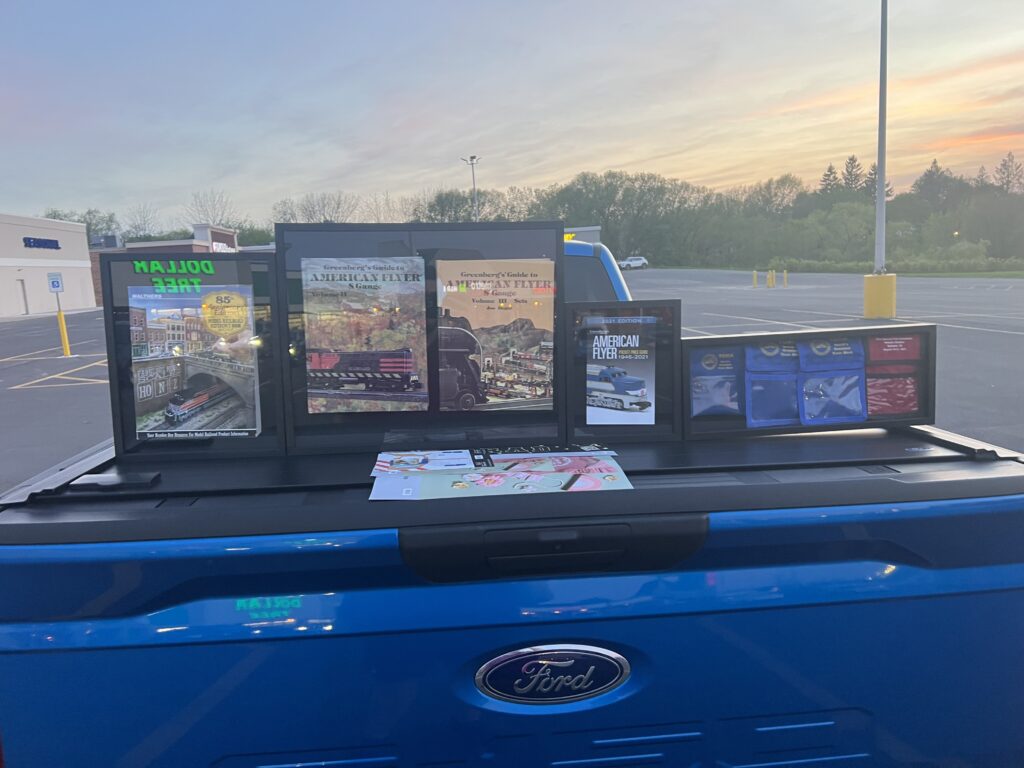
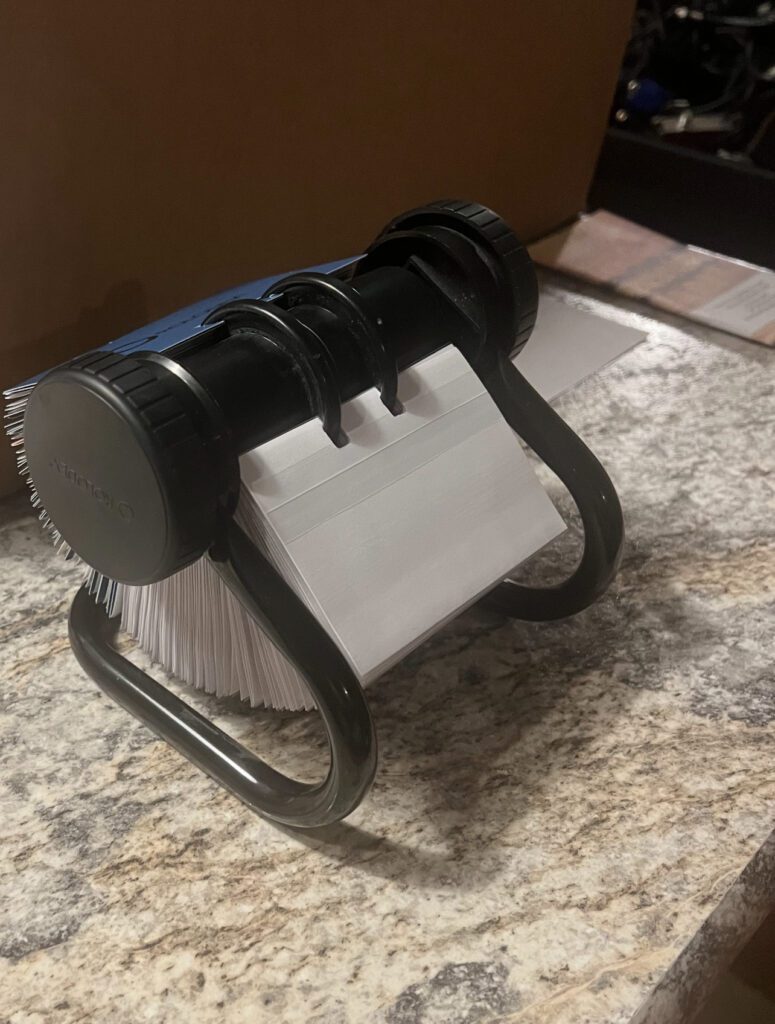
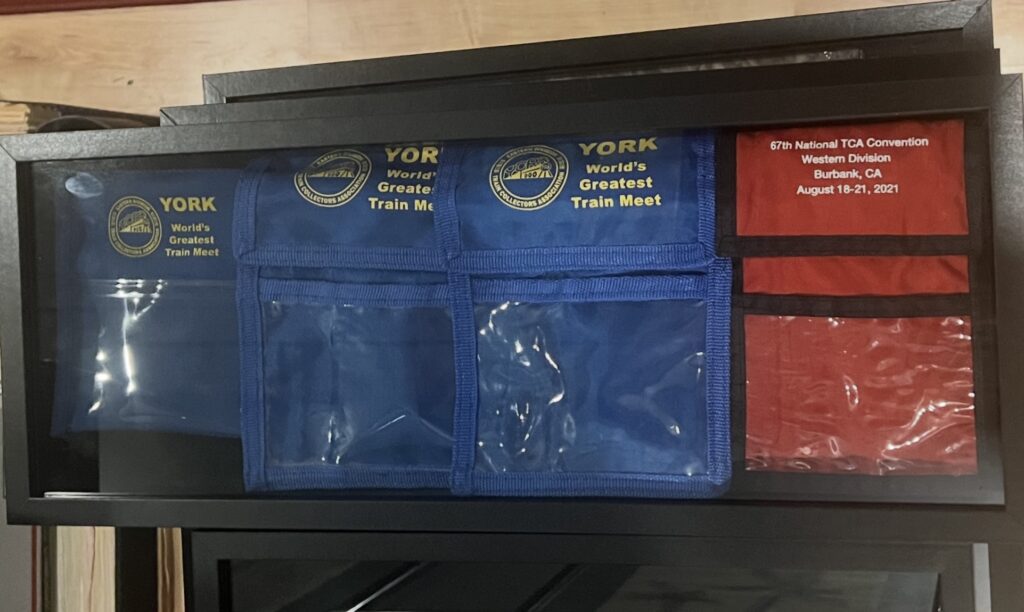
Today, his Greenberg guides are framed in tribute. I don’t bring them to York anymore. Instead, I bring my own—tattered, filled with pencil marks and sticky notes. On my desk at home sits his Rolodex, packed with dealer names and numbers, and scribbled shorthand only he could decode. “Ask about the boxed version.” “Fair price.” “Will negotiate.” It’s more than a contact list—it’s a map of how he navigated this world. Now it guides me.
This past York, Spring 2025, felt different. There was energy in the halls, but also a kind of shifting weight. I saw fewer of the faces I once recognized behind tables—more first-time attendees. More people are asking questions about where the hobby is headed and about the future of the TCA. It felt like we were standing between generations. And that’s not a bad thing—it’s just a moment of change. And that’s part of why I got involved.
I didn’t get involved with the TCA to fill a résumé. I got involved because I owe this organization more than I can put into words. Without it, I would never have discovered this community or this passion. More importantly, I would never have had the experiences I did with my father at York. This organization gave us something to share. And now that he’s gone, it gives me a way to carry him with me and honor his legacy as a collector.
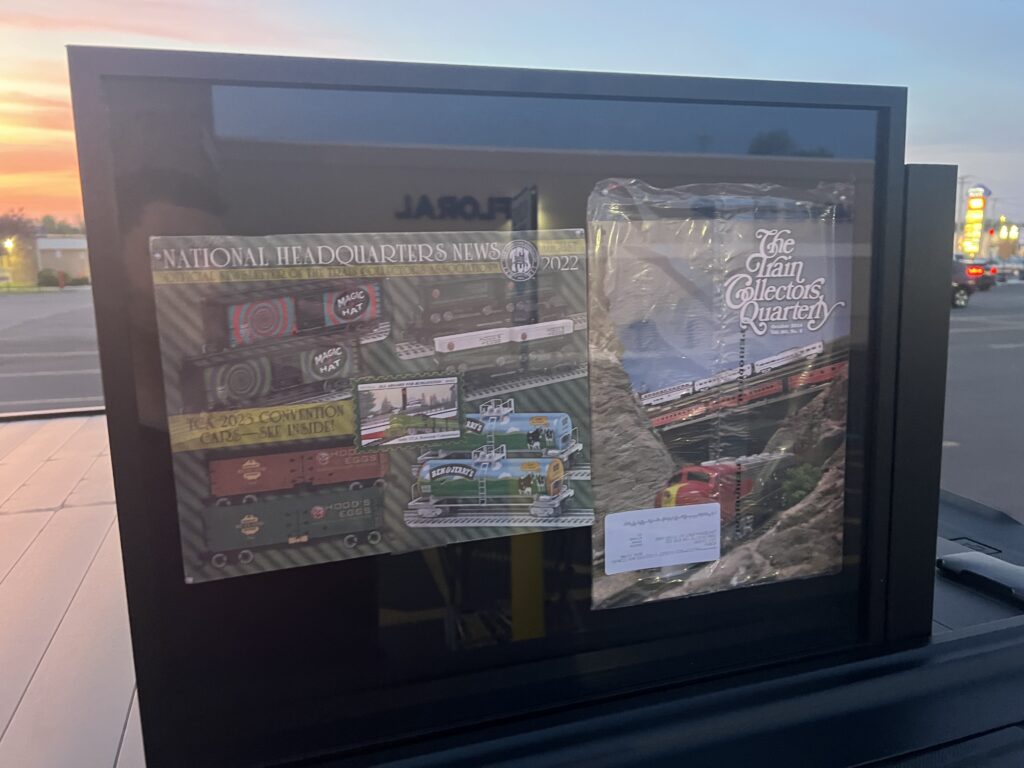
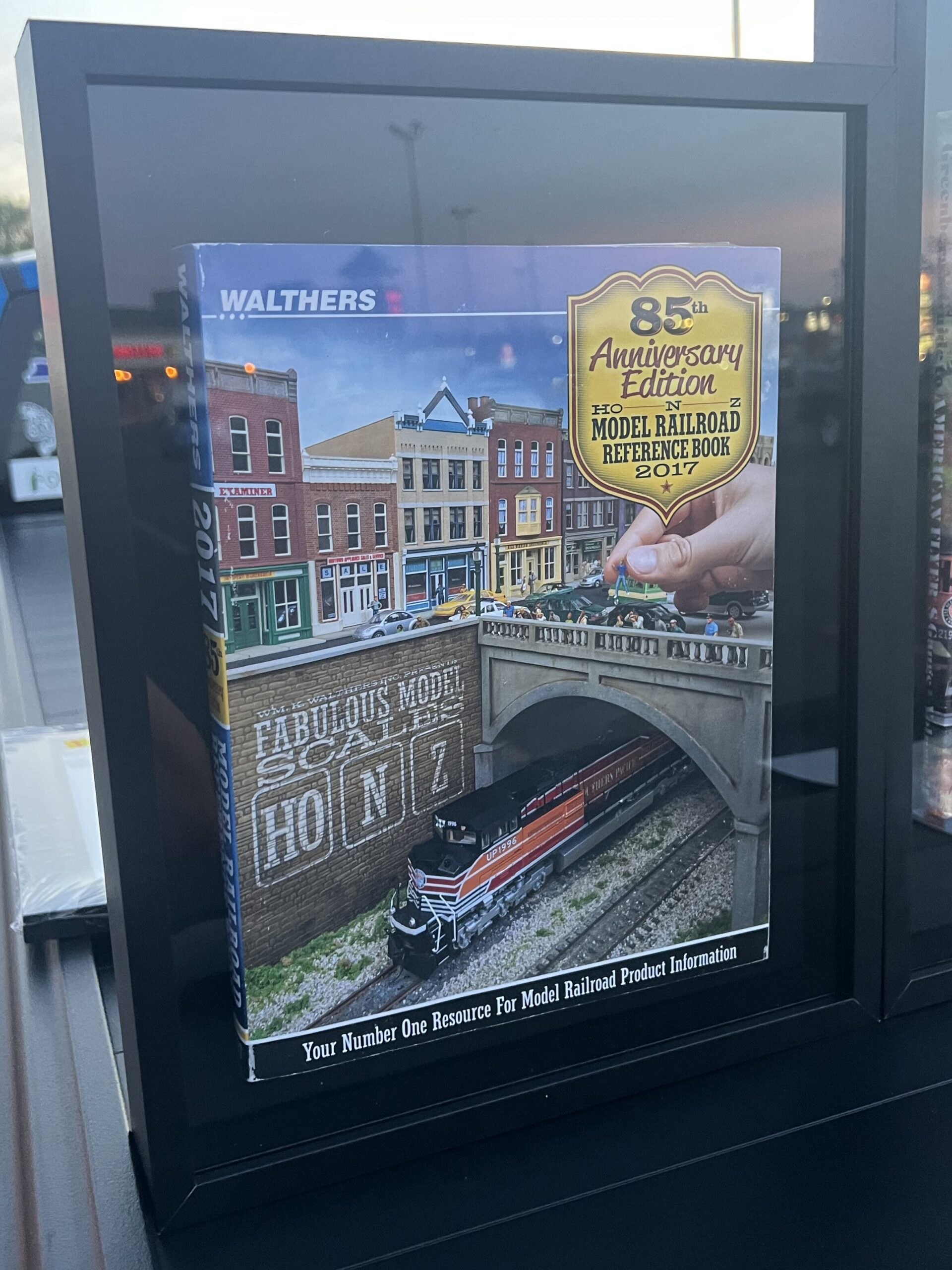
Jay R. Oher, (TCA #96-42851)
Getting involved has taught me more than I expected—about governance, the challenges we face, and about what it takes to keep an organization like this healthy and relevant. It hasn’t always been easy. But I believe in the future of the TCA, and I believe we can evolve without losing what makes this community meaningful. That’s what I’m here to protect.
As we prepare for the Fall 2025 York Meet, marking 55 years of York meets (minus the two years of meets canceled on account of the pandemic), I find myself reflecting on how far we’ve come as an organization since 1954, and how far I have personally come in just these past ten years. It is not lost on me how much of that is because of the brilliant, if not eccentric and socially inappropriate, at times, man whom I followed through the halls of York back in 2015.
I hope he’d be proud. Not just of the collector I’ve become, but of the way I’ve chosen to step forward, honor his legacy, give back to this community, and help shape the future of this organization, which he dearly loved.
York will always be sacred ground to me. Not for what I buy or what I bring home, but because it’s where I remember him best. My father doesn’t walk these aisles anymore. He doesn’t flip through his Greenberg pocket guide, update his Rolodex, or quietly close a deal with a nod. But I do.
I carry the pocket guide. I maintain the Rolodex. And I carry him with every aisle I walk, every decision I make, and every step I take toward the future of the TCA.