A Garden Railway Dream Come True
By Michael G. Halko, TCA #25-78768 Summer 2025 e*Train
Full disclosure: As a child, I remember an old engine puffing smoke beneath our Christmas tree. Now, the child within me awakens once again—this time to share that same magic with seven grandchildren. I’m fortunate to have a young friend—none other than the editor of this fine publication—helping me bring this dream to life.
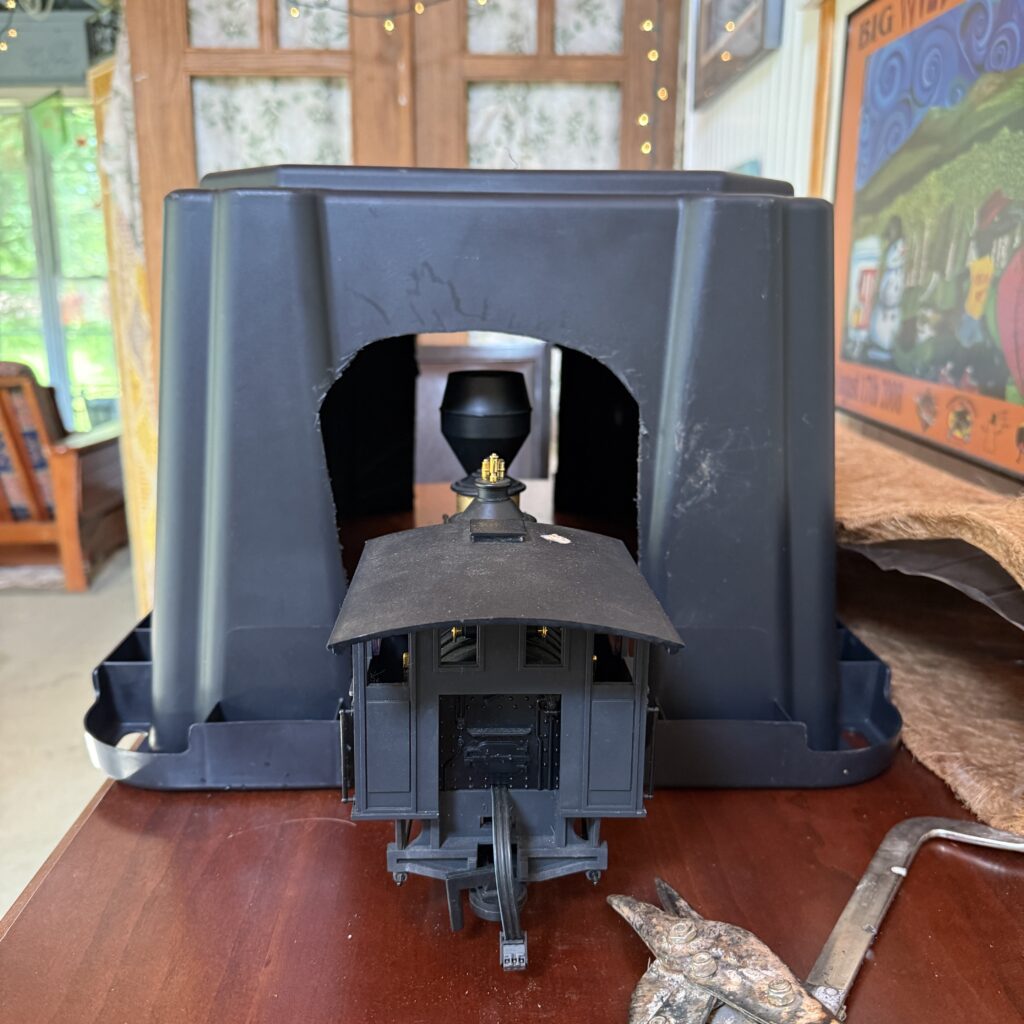
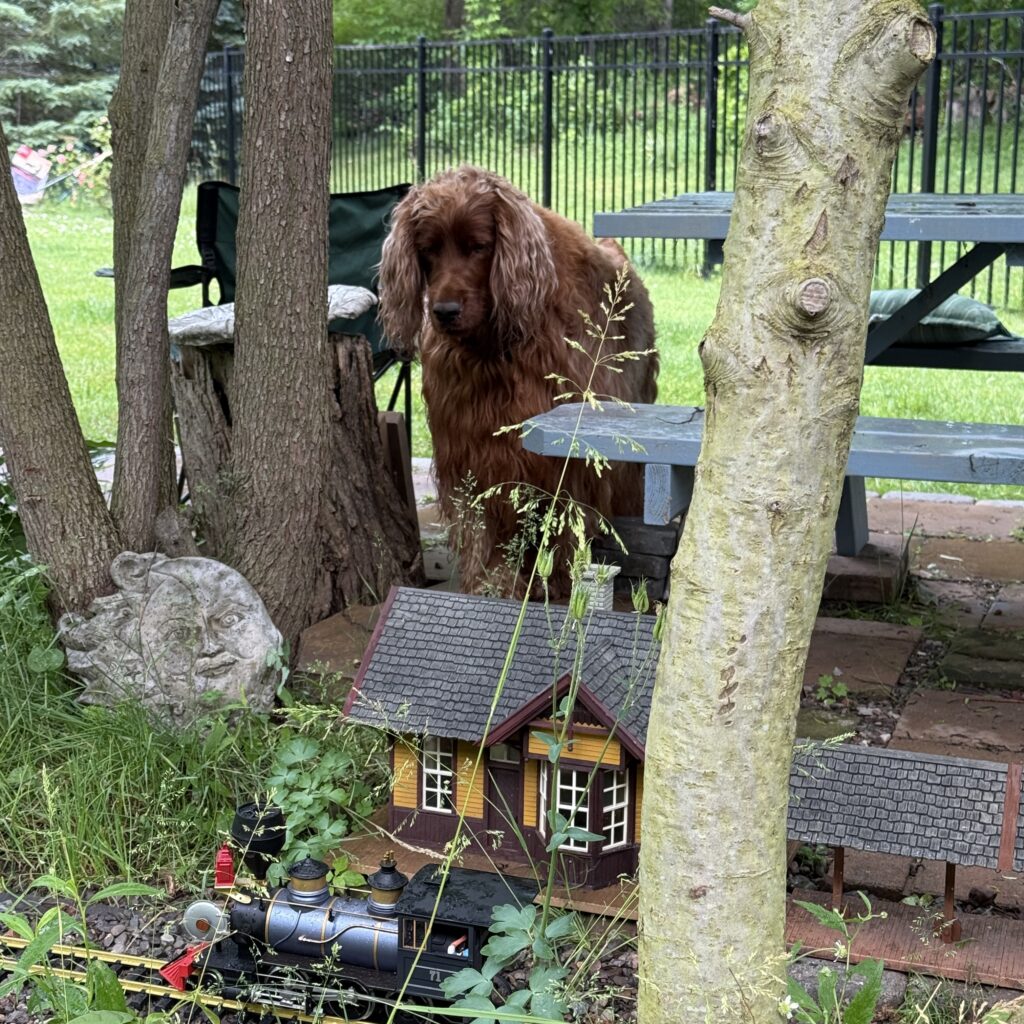
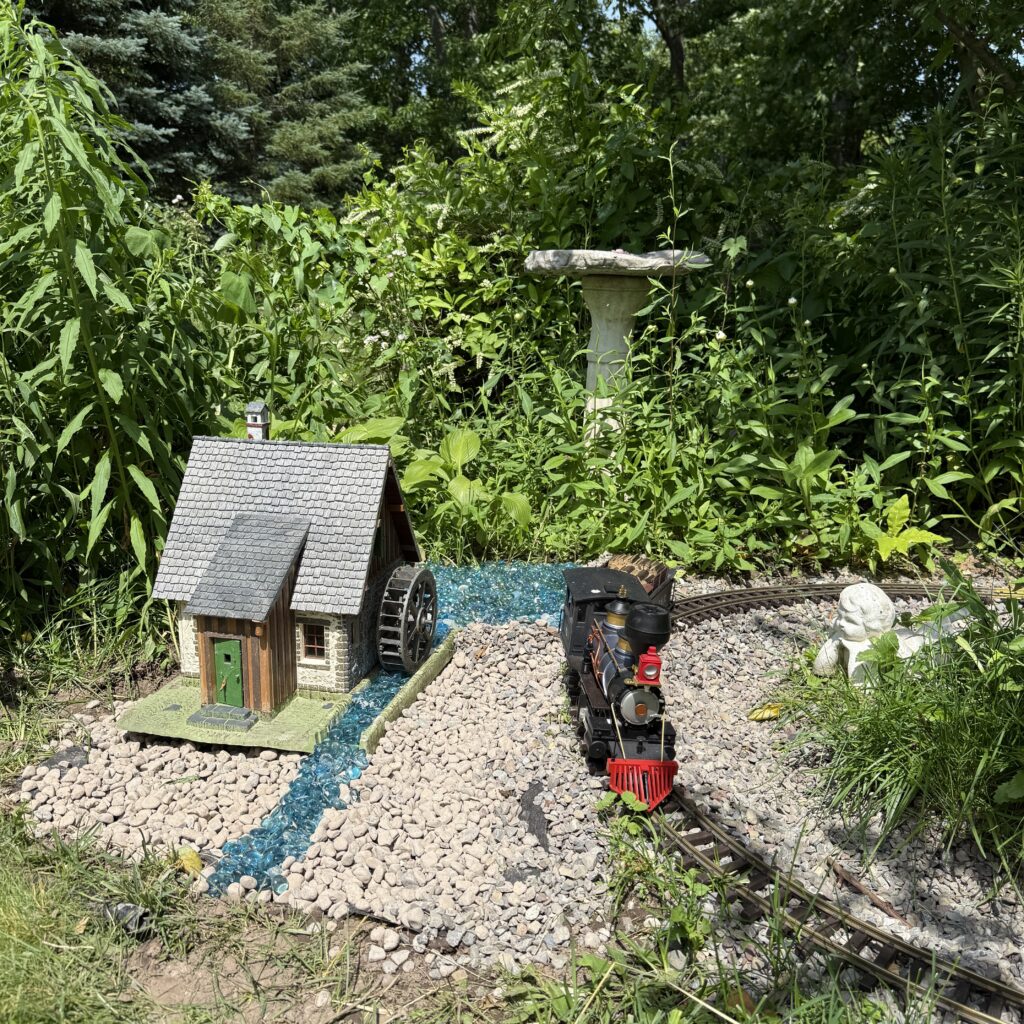
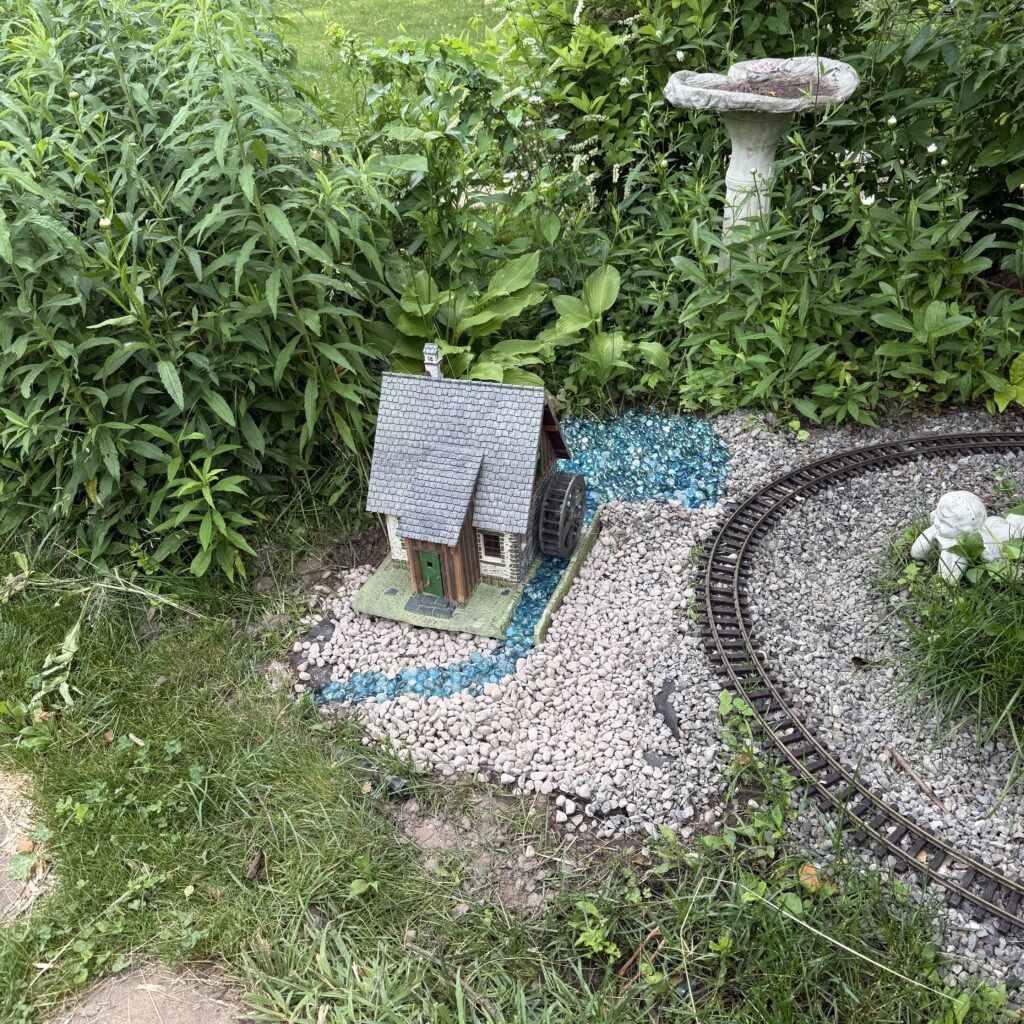
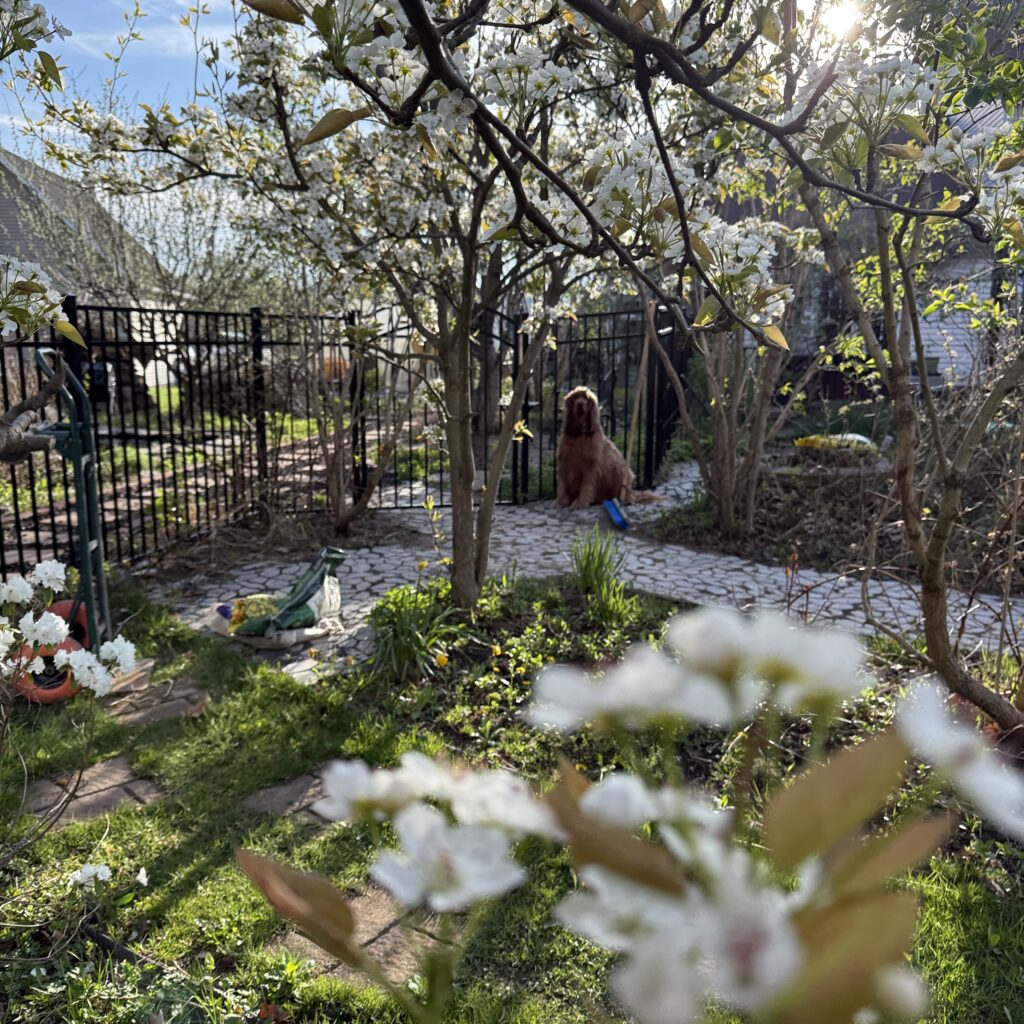
There were several factors to consider: layout and cost. In terms of layout, it was important to identify an area with little to no foot traffic. The space adjacent to the Garden House—also known as the “Club House” by the grandkids—proved perfect. The 60-foot layout runs parallel to the path leading to the Club House and loops back through a tunnel. A picnic table beneath a tree offers a perfect spot to watch the train in action.
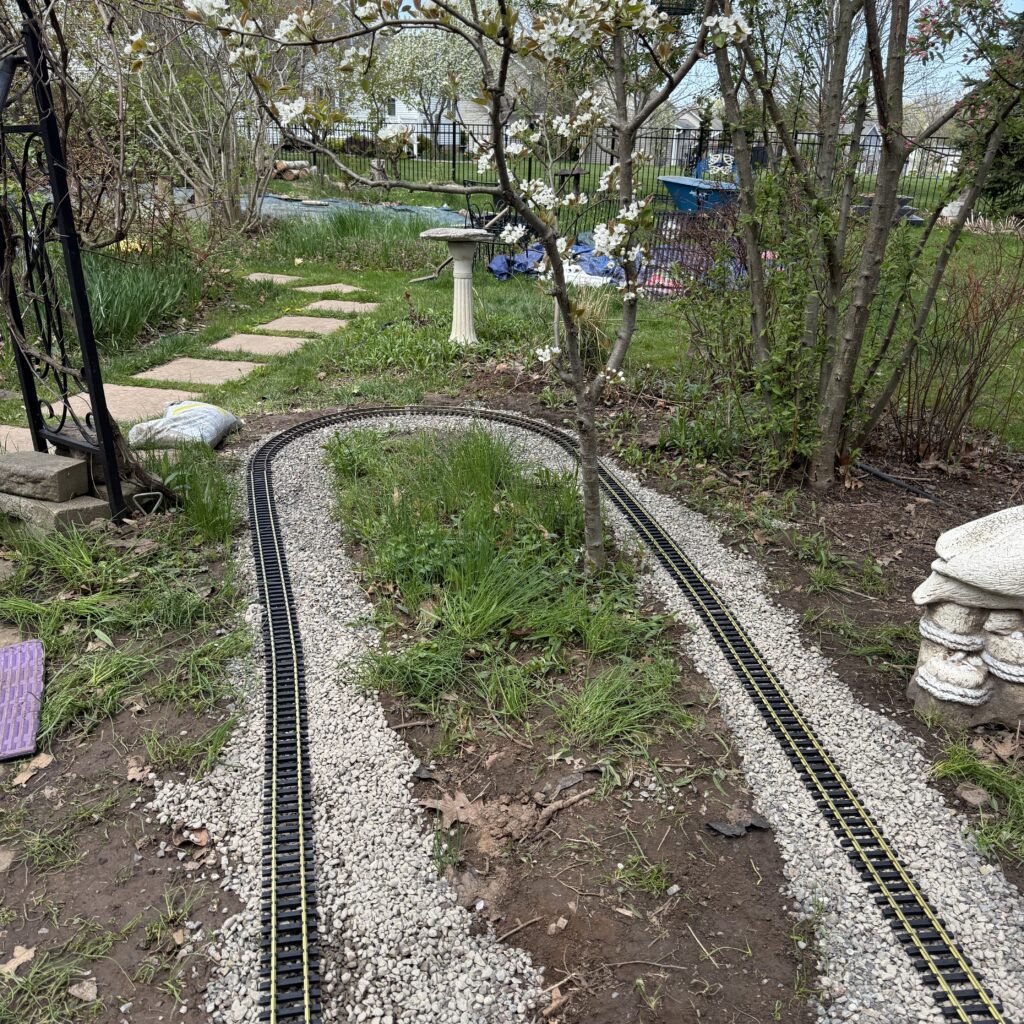
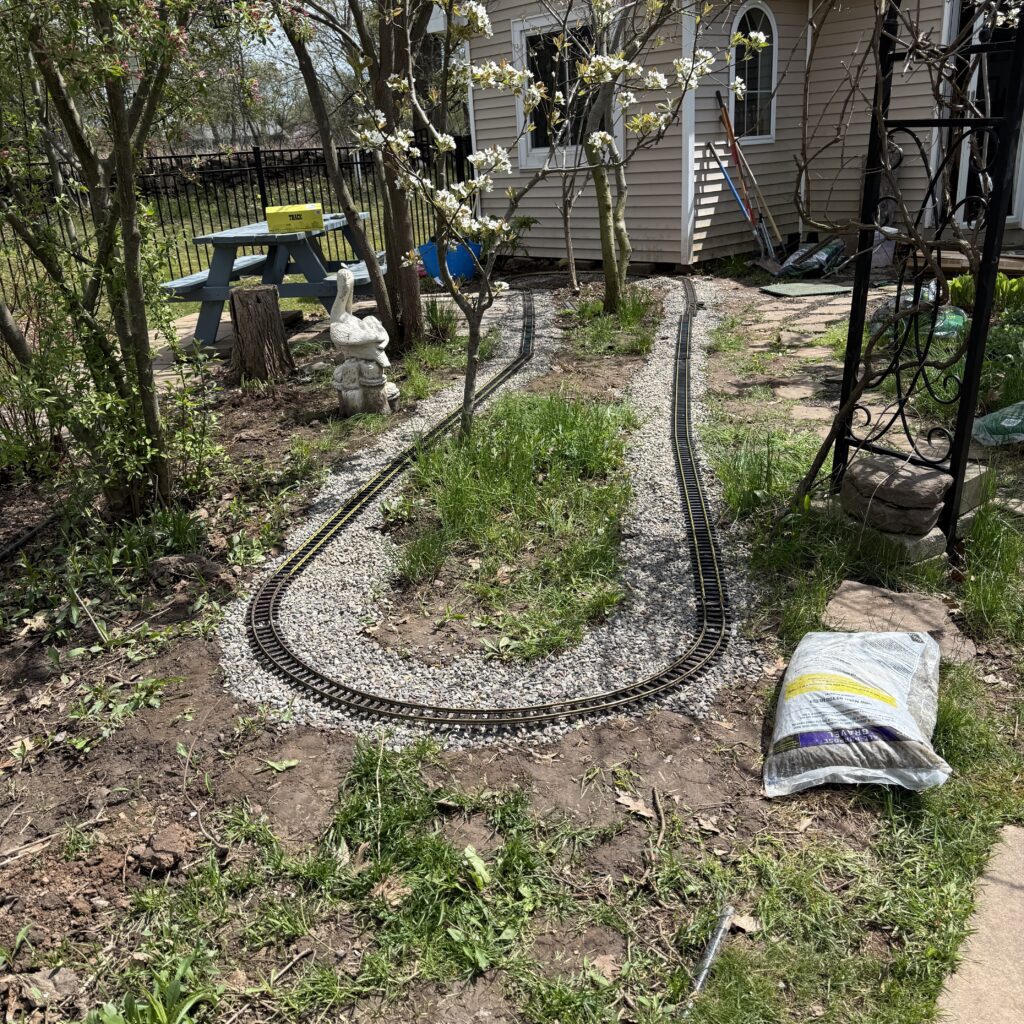
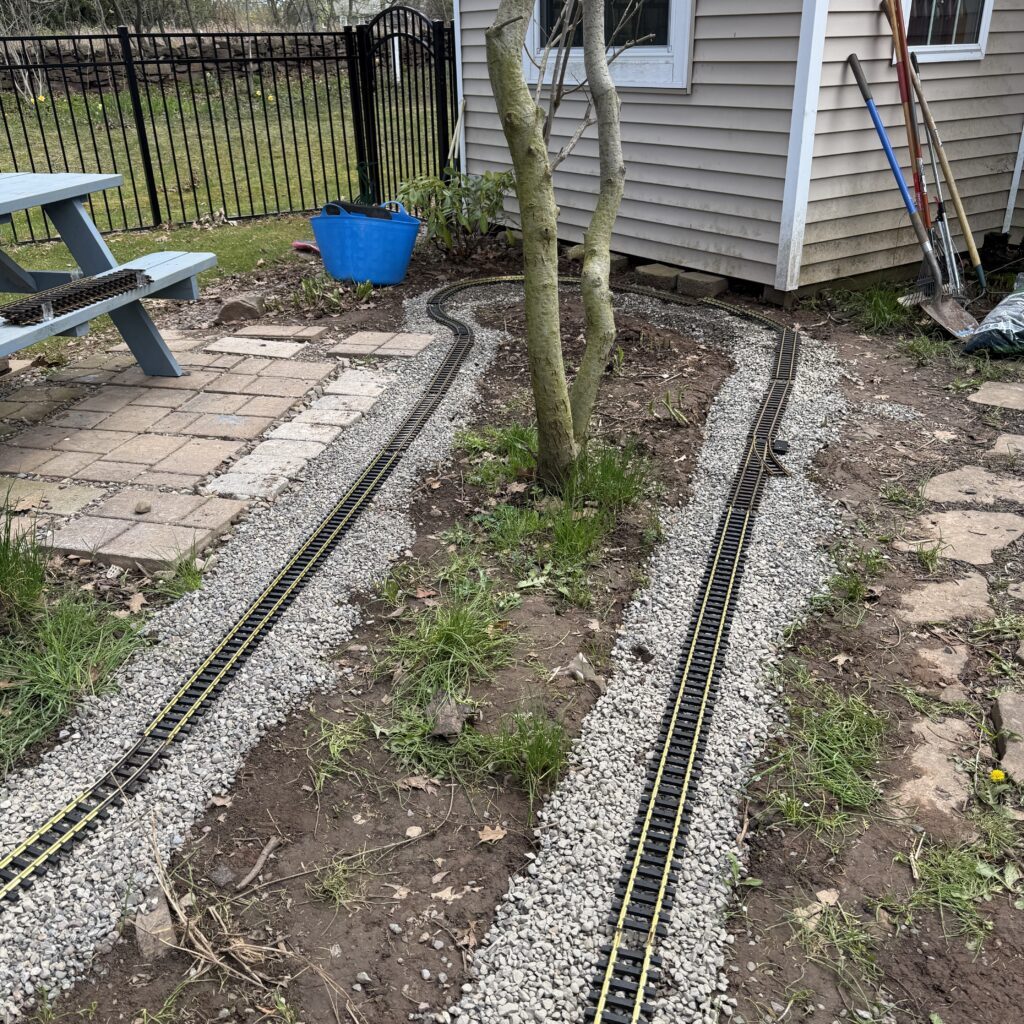
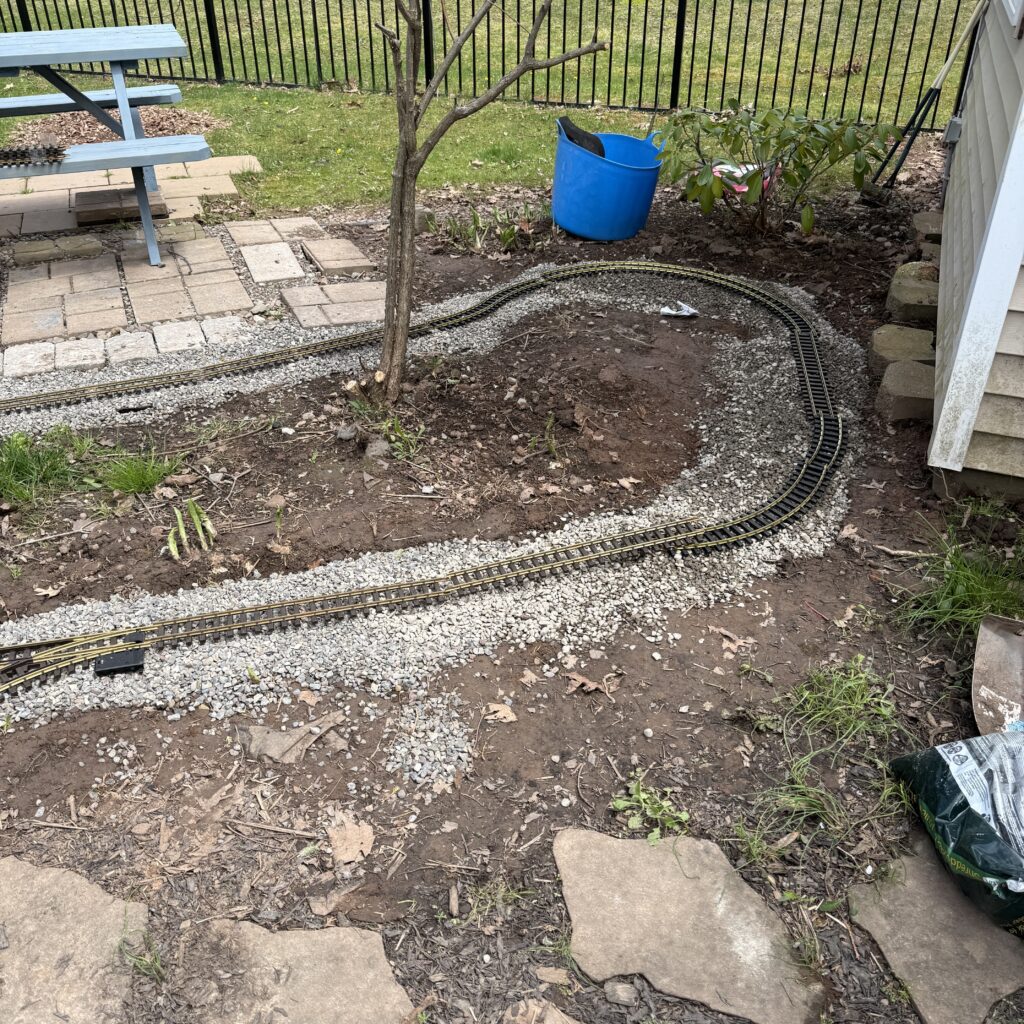
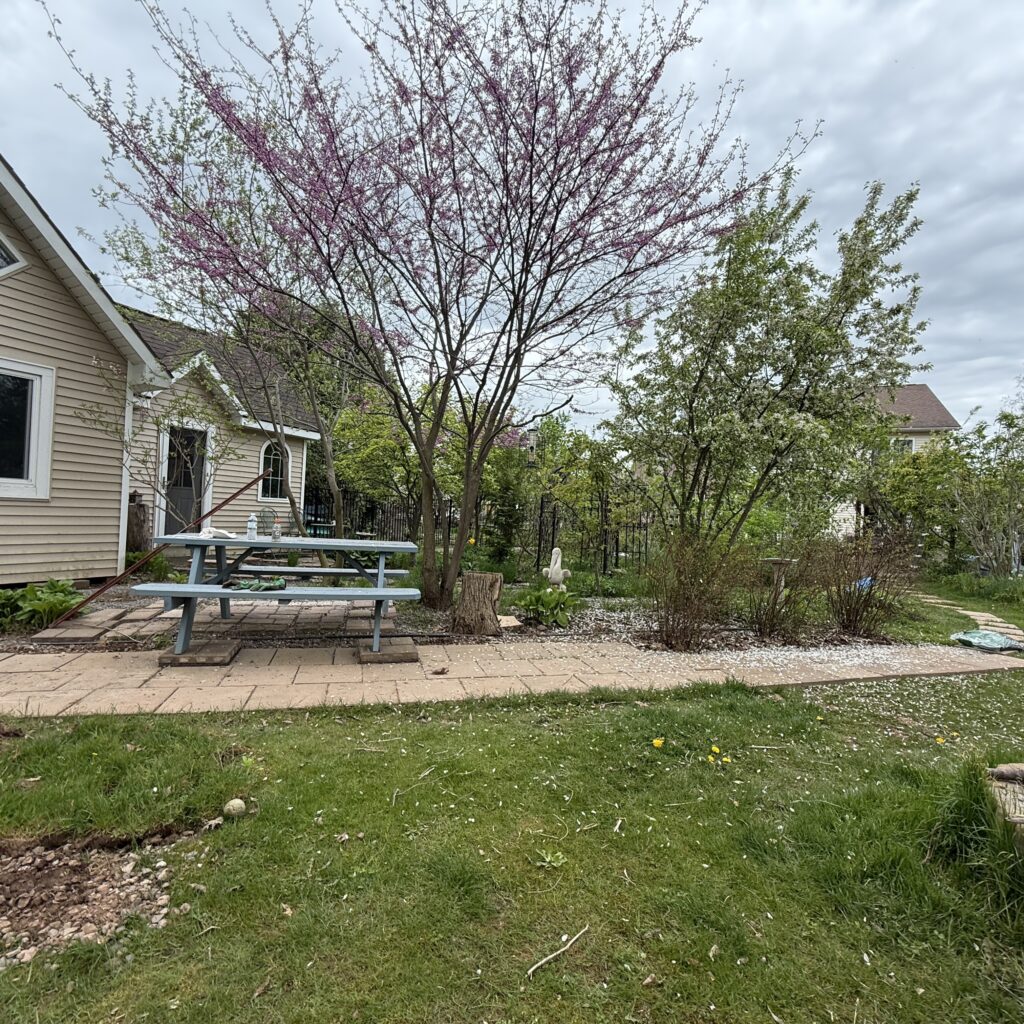
We decided to add a switch track along the path to allow for future expansion. My American Flyer friend believes bigger is better—and in the case of a garden G scale setup, he’s absolutely right.
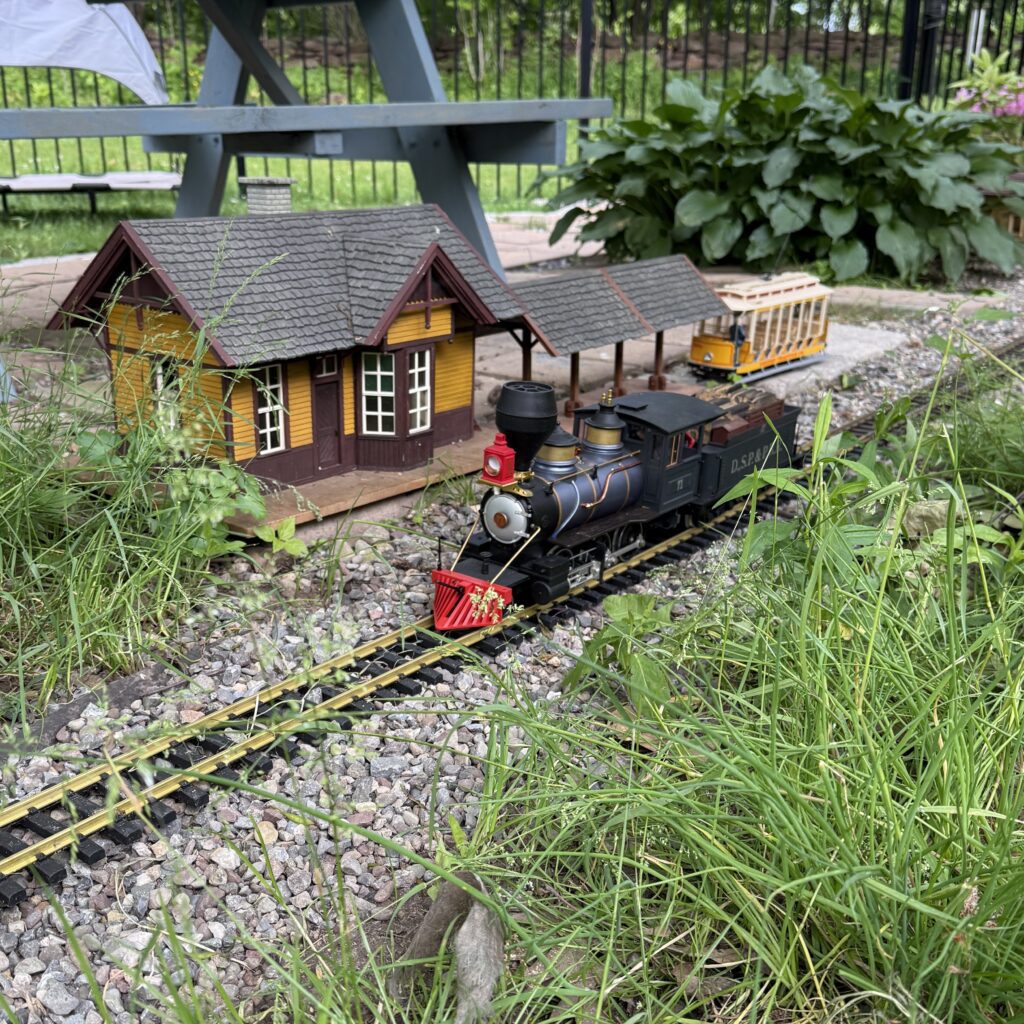
The cost of a garden railway is significant when it comes to equipment and site preparation, but substantial savings are possible by purchasing gently used equipment and doing the site work yourself. I was fortunate to attend the York Train Show in April 2025. After three days of exploring multiple buildings filled with miles of tables covered in train paraphernalia, I bought a train with several cars, a model depot station, and enough track to make my dream a reality.
With the purchase made, I was committed, and site prep began. Several plants had to be relocated to make room for the railbed. I dug a trench 6 to 8 inches deep and lined it with landscape fabric to help minimize vegetation growth. The trench was filled with driveway gravel to improve leveling and drainage, and I tamped it down for stability. While I’ll be using an electrical power supply, I’m also considering battery operation as an alternative. A battery-powered engine wouldn’t have to rely on continuous rail connectivity, which is appealing.
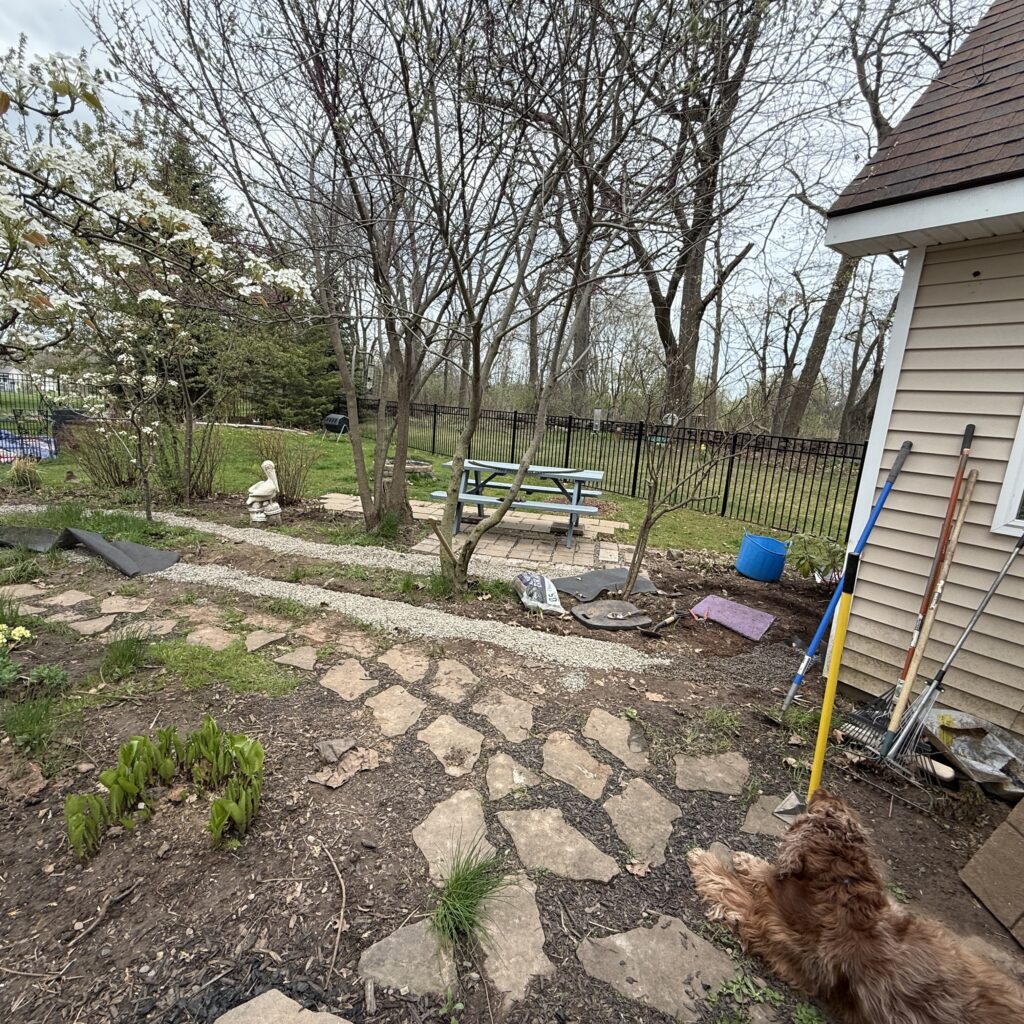
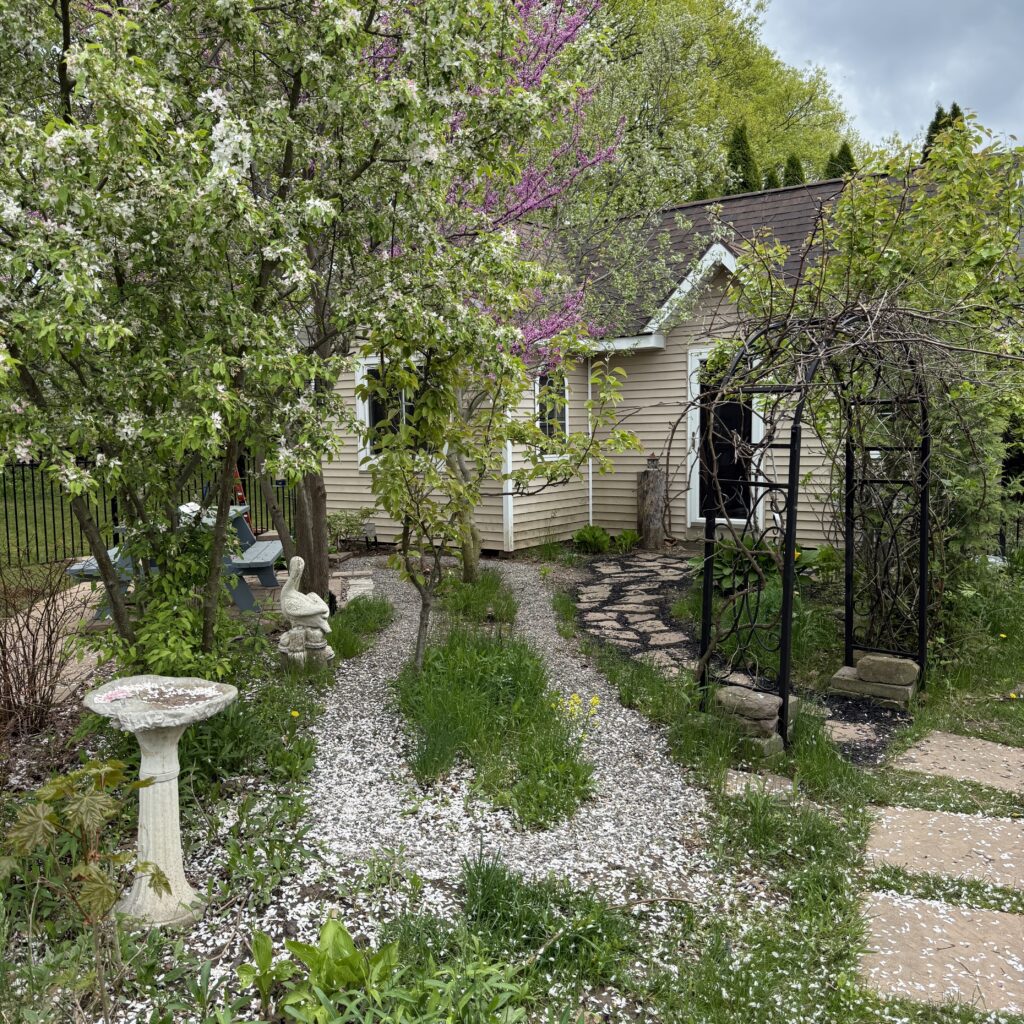
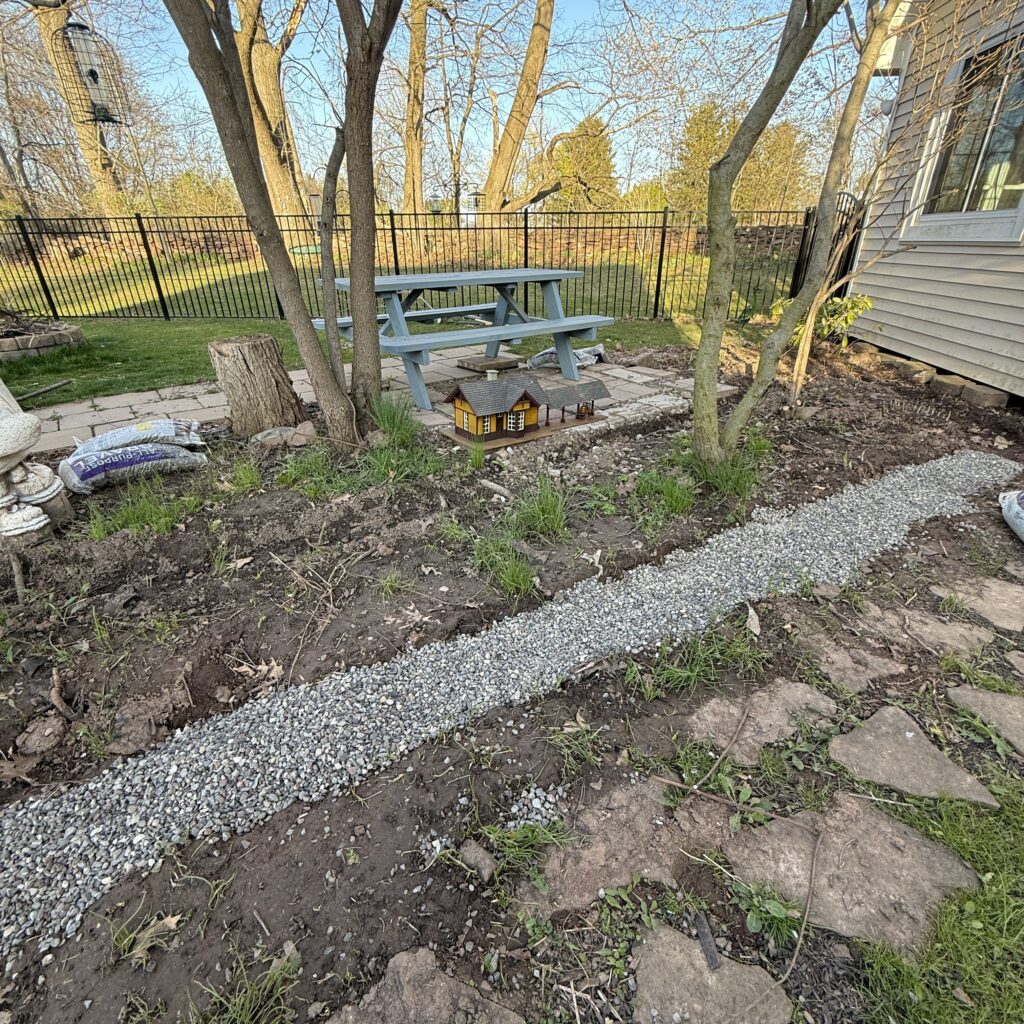
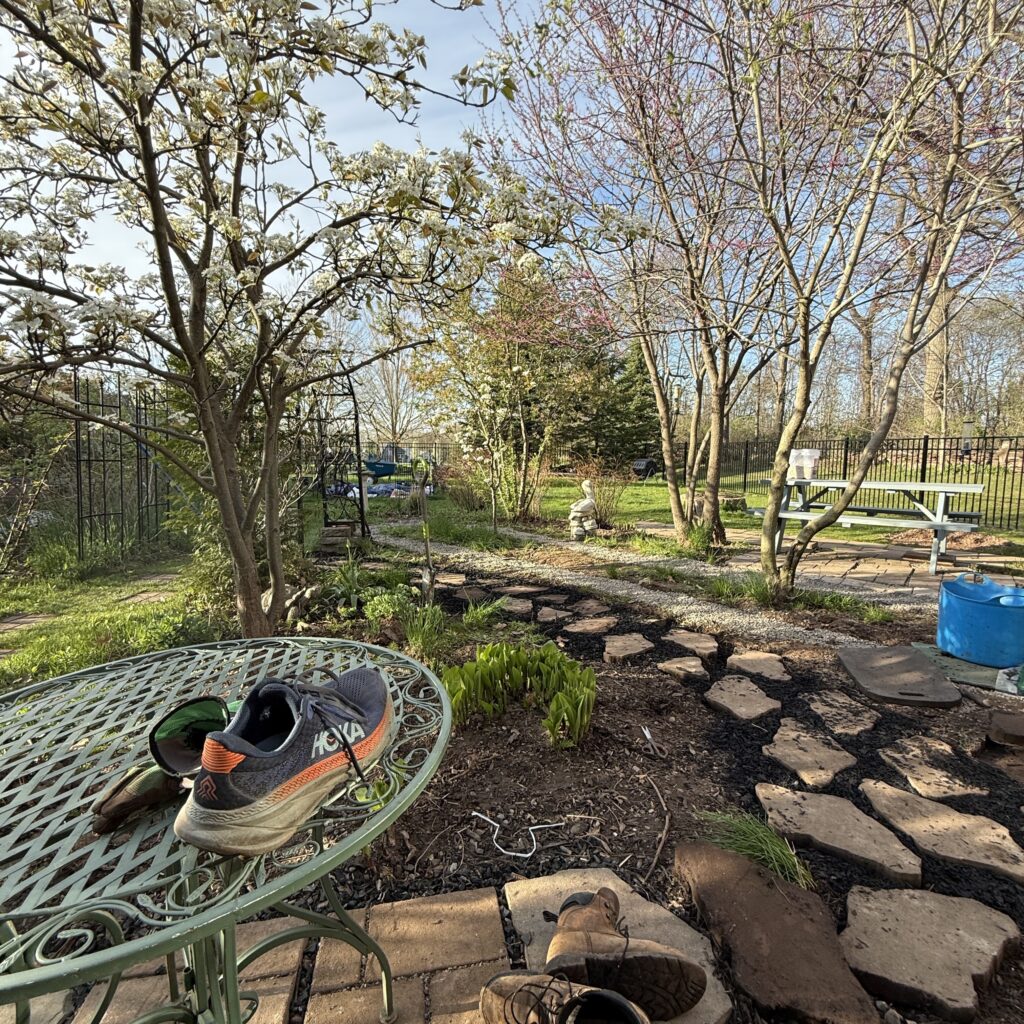
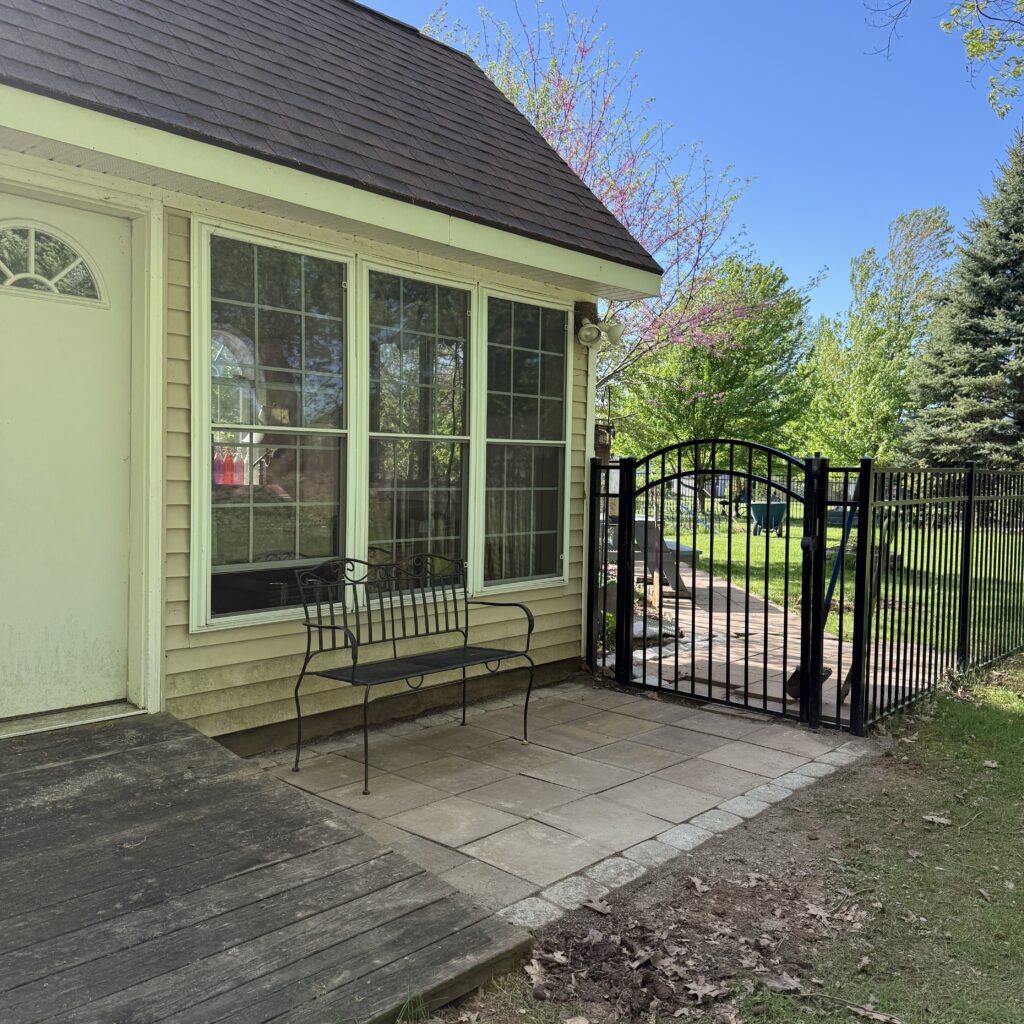
The track will be assembled using connectors rather than soldering, since Western New York winters are harsh and I’m considering disassembling the setup each fall. Preparing the site has been physically demanding—digging and hauling turf and dirt, and bringing in more than 20 bags of gravel. I also installed a paved seating area next to the Garden House, where the power source is located.
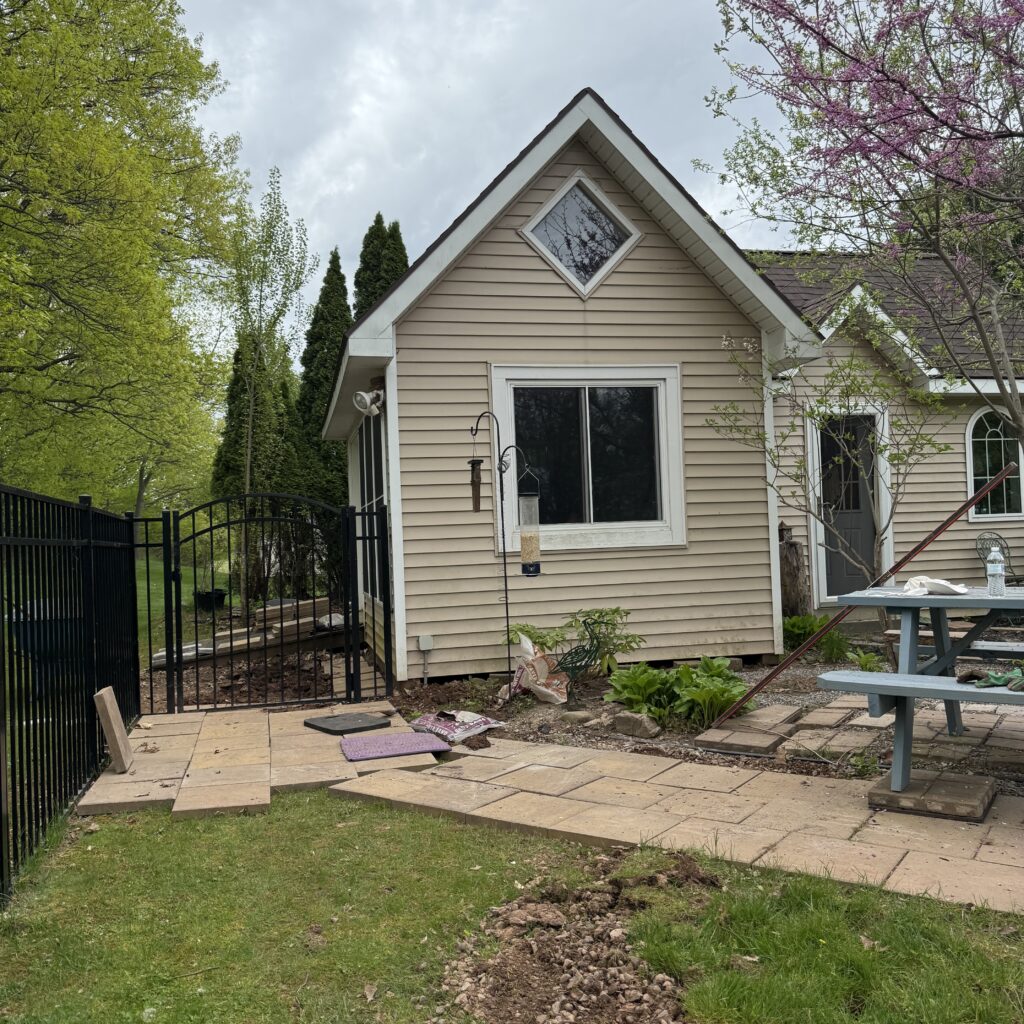
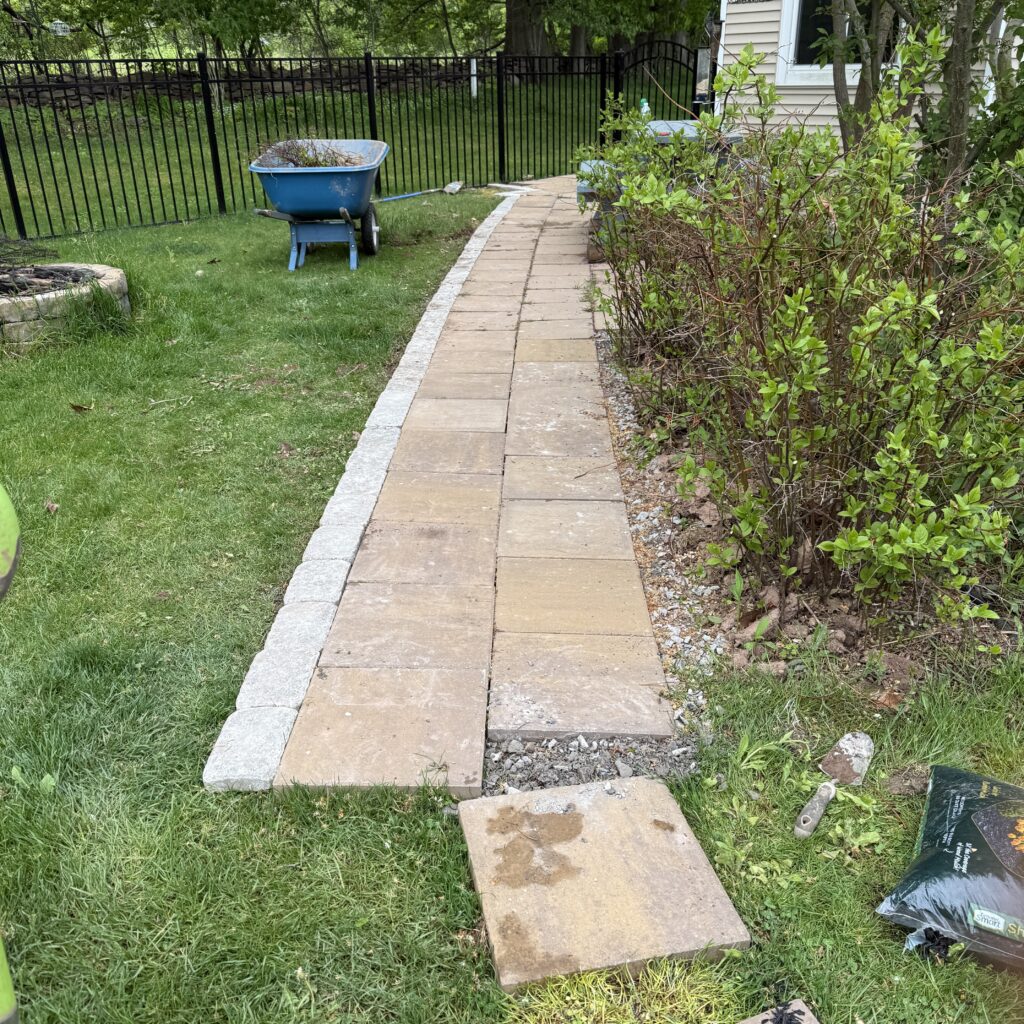
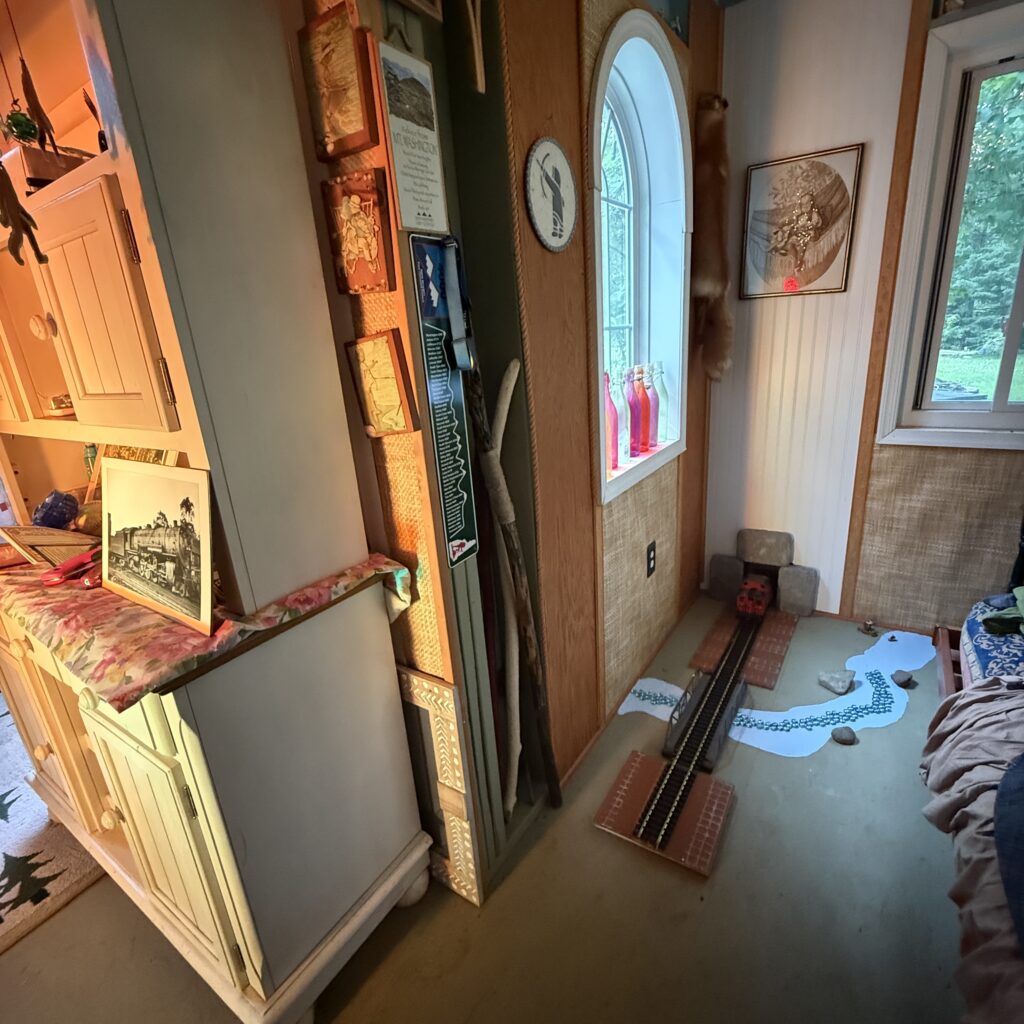
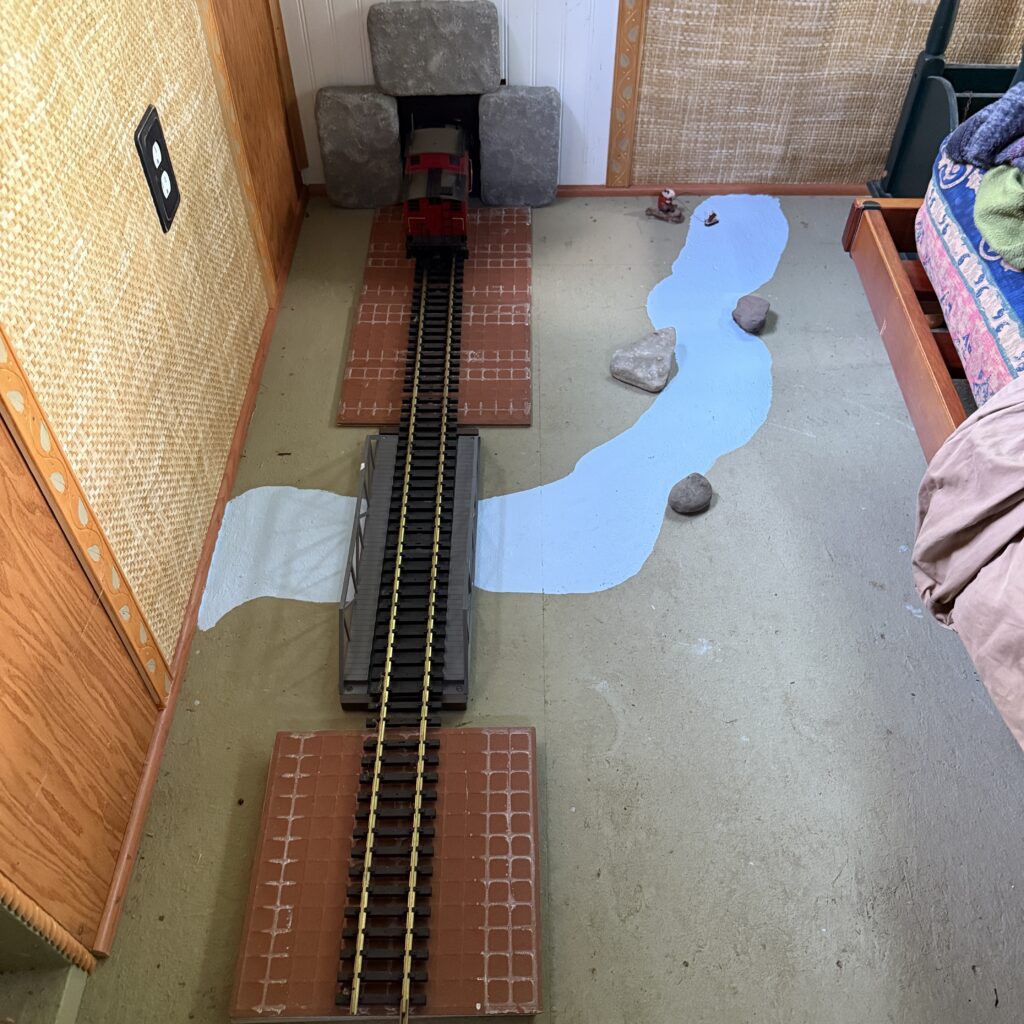
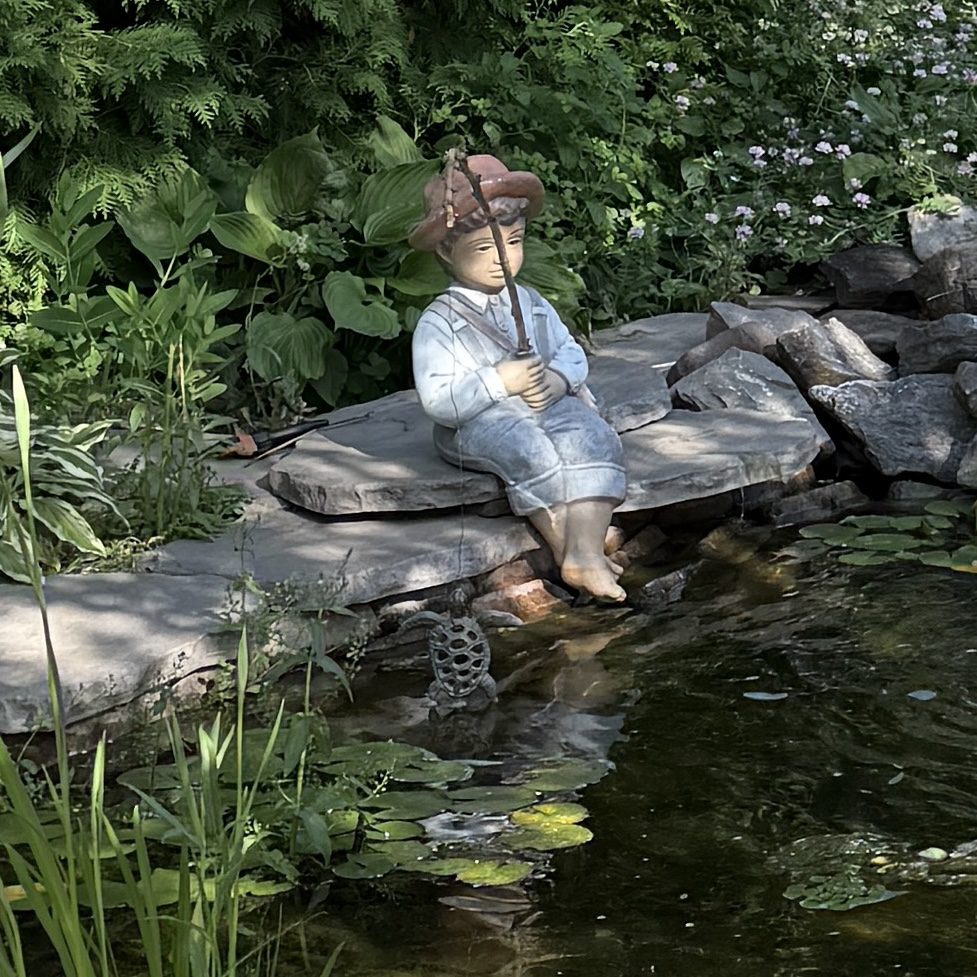
This plan has generated quite a buzz with the grandchildren. They’re already talking about tunnels leading into the Garden House and bridges over nearby paths. The official whistle-blow is scheduled for June. I hope it will be as big a hit as the Frog Pond was three years ago.
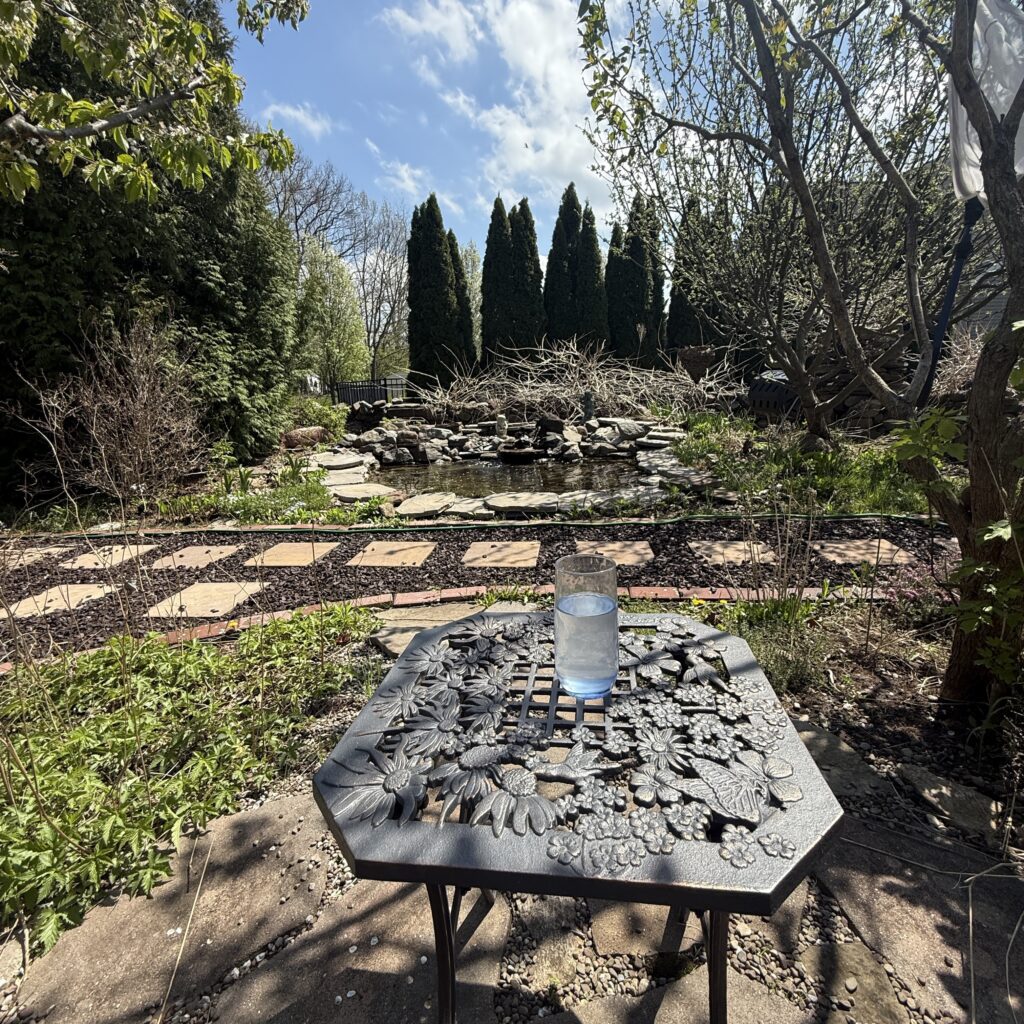
Of course, the setup comes with a few wildlife challenges. A woodchuck was spotted dashing into a den beneath the clubhouse. Chipmunks already roam the area. Add in a few rabbits and a fox or two, and the train will have plenty of potential passengers! But to me, that’s all part of the magic of a garden railway.
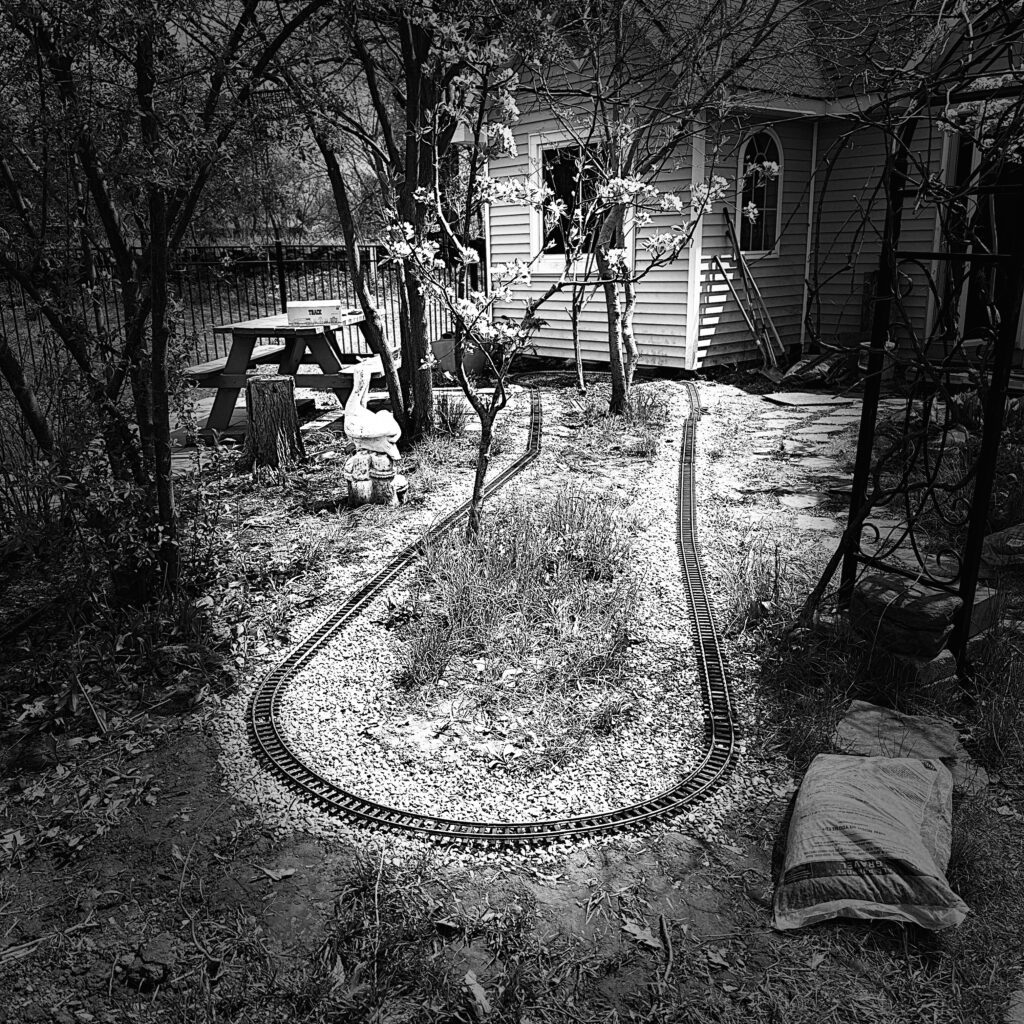
Sure, the grandkids will love it—but bet your bottom dollar, I’ll get a kick out of it too. As Clint Eastwood once said when asked how he keeps going: “Don’t let the old man in.” Wise words. Keeping the child alive within? Running a train or two certainly does the trick.